

Where to Stargaze Near Sydney (No Hike, No Crowds)
Discover the best easy-access stargazing spots near Sydney for meteor showers and Milky Way photography without the need for a long hike.
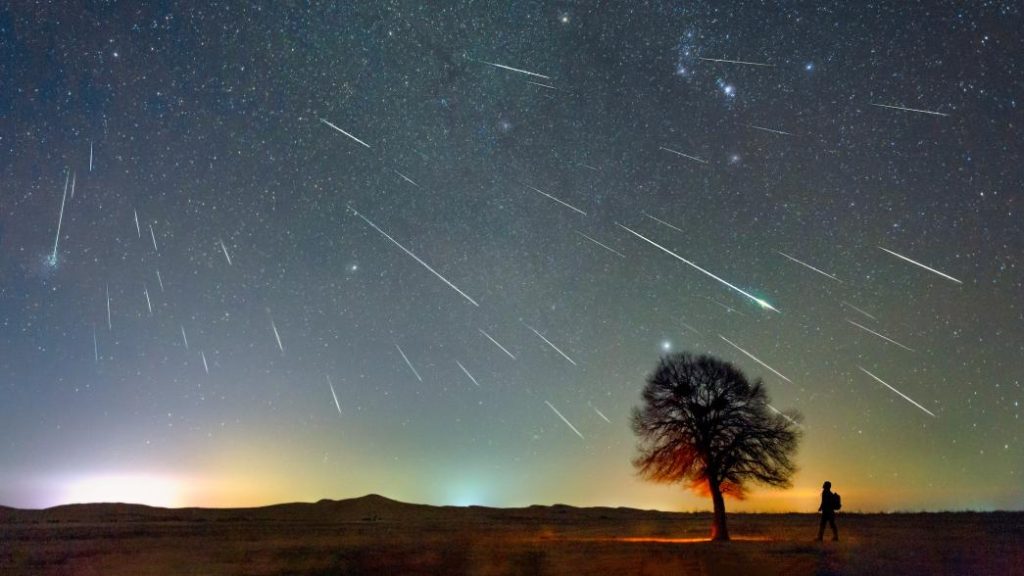
Ah yes — celestial events and stargazing. Honestly, one of the most underrated romantic date ideas. There’s something about lying under the stars, wrapped in a blanket, that just hits different.
We’re not expecting any dramatic meteor storms anytime soon (will be lucky to see one in our lifetime), but meteor showers are predictable and still magical in their own way. You can check out the list of upcoming celestial events here:
👉 https://www.opticscentral.com.au/celestial-events-calendar.html
So here’s the game plan: pack a picnic basket, grab some cozy blankets, and find a quiet stargazing spot that doesn’t require hiking in with a headlamp and a trekking pole. Sydney’s not exactly ideal for dark skies, but there are places — you just have to know where to look.
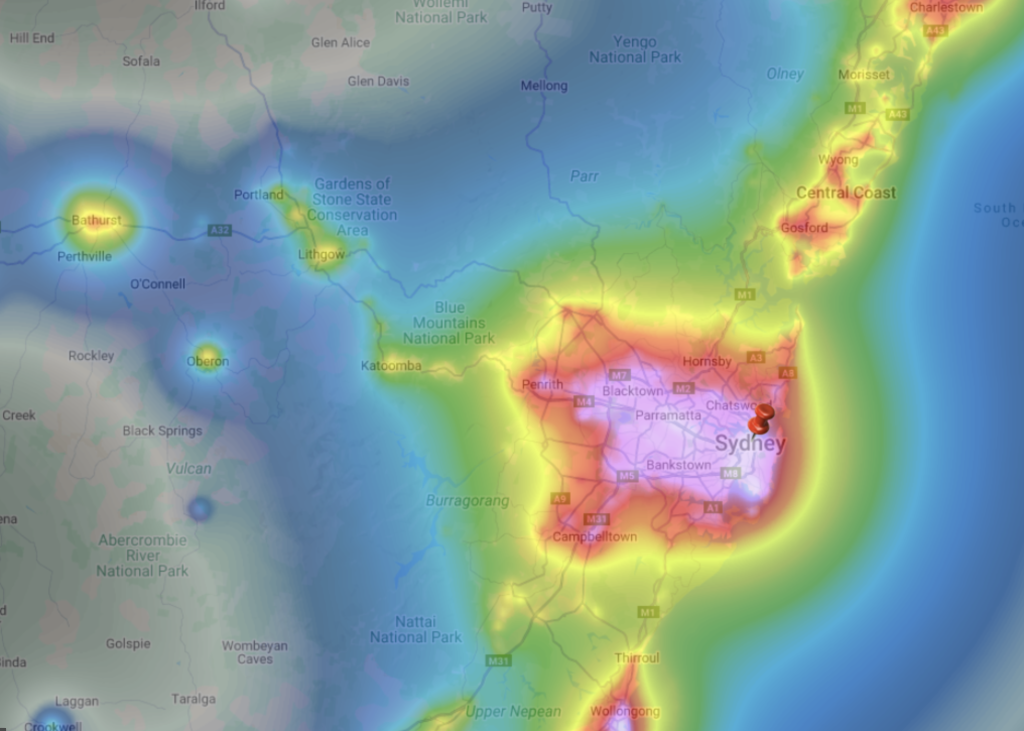
Start by checking a light pollution map. Some of the best spots are along the Old Bells Line of Road past Bilpin — but I’m not giving away too much, because my secret stargazing locations live there. Let’s just say: look around Mount Banks, Mountain Lagoon, and Walls Lookout. 😉
Other good stargazing spots (that don’t require a hike and can be driven to < 1.5hrs from Sydney):
Royal National Park
– Otford Lookout
– Garie Beach (or any beach along the Coast Track)
Ku-ring-gai Chase National Park
– Mt Ku-ring-gai Oval (a bit more light pollution, but still decent)
– Barrenjoey Headland
Blue Mountains National Park
– Sunset Rock Lookout
– Pulpit Rock Lookout
– Lincoln’s Rock Lookout
– Walls Lookout
– Mt Hay (butterbox canyon carpark)
– Anvil Rock lookout
– Martins Lookout
Bouddi National Park
– Box Head Lookout
Nattai National Park
– Point Hill
– Wollondilly Lookout
Garden of Stones National Park
– Lost City Lookout
Wollemi National Park
– (Plenty of quiet fire trails and cliffside lookouts if you explore a bit)
If you’re up for a proper weekend away, head further out:
Warrumbungles National Park – Australia’s only Dark Sky Park. Well worth a trip for a crystal-clear Milky Way view.
Kosciuszko / Snowy Mountains Alps – High altitude, dry air, and low light pollution = perfect.
Whether it’s a meteor shower, a moonless night, or just a sky full of stars — you don’t need much. Just the right person, a flask of hot chocolate, and a blanket. ✨
Tips:
- Use an app like Stellarium – It’s a free star map that shows exactly what’s above you. Point your phone at the sky, and it’ll label stars, planets, and constellations in real time.
- Let your eyes adjust – It takes about 30 minutes for your eyes to fully adapt to the dark. Avoid looking at your phone screen during this time — if you must, use red light mode to preserve your night vision.
- Best time to look up? – 10 PM to 3 AM is prime time for stargazing, especially when the moon is new or low in the sky.
- Yes, your smartphone can capture the Milky Way – With the right settings or an app like NightCap or ProCamera, you can take stunning astrophotography shots.
- Try Googling “Meteor Shower” or “Meteor Storm” – Google adds a fun little Easter egg animation when you search these terms. Just a small extra bit of cosmic joy. ☄️✨
Enjoyed this story? Share the trail.